
The U.S. Department of State periodically issues travel advisories to inform American citizens about safety risks in foreign countries. In response to changing security conditions in parts of the Middle East, the U.S. government has recently emphasized travel guidance affecting several countries across the region. Officials encourage U.S. citizens currently abroad to remain informed, follow embassy guidance, and consider travel plans carefully when security situations change.
Travel advisories are part of a broader system used by governments worldwide to communicate potential risks to their citizens. These notices provide information about local security conditions, infrastructure challenges, health considerations, and other issues that may affect travelers. They also include recommended precautions to help individuals make informed decisions before traveling or while staying abroad.
This article explains how travel advisories work, identifies the countries frequently referenced in recent security messaging, and outlines practical steps travelers can take to stay informed and prepared.
Understanding U.S. Travel Advisories
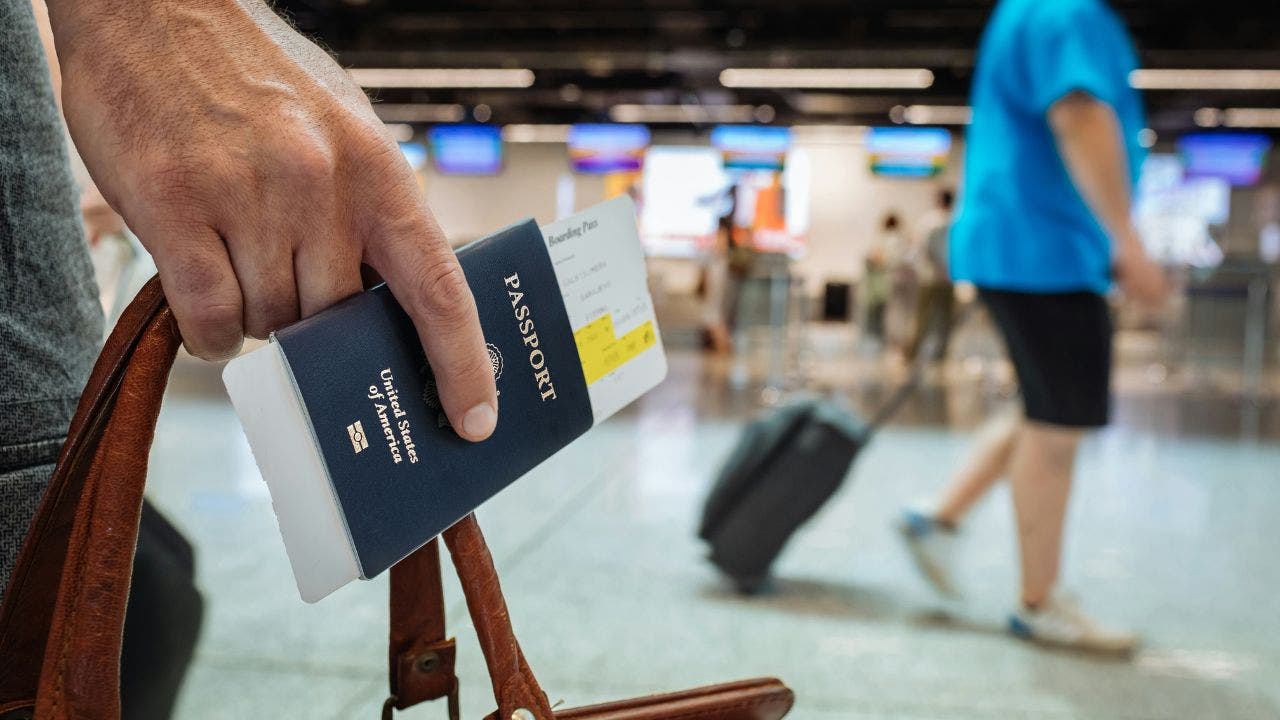
The U.S. Department of State maintains a public system for evaluating travel safety conditions around the world. Each country is assigned a travel advisory level that reflects the overall security environment and potential risks.
The four advisory levels are:
Level 1 – Exercise Normal Precautions:
Travelers should follow standard safety practices typical for international travel.
Level 2 – Exercise Increased Caution:
Visitors are advised to remain aware of potential risks such as crime or civil unrest.
Level 3 – Reconsider Travel:
Travel may present serious risks, and citizens are encouraged to evaluate whether the trip is necessary.
Level 4 – Do Not Travel:
Conditions may include significant security threats, limited government assistance, or active conflict situations.
These advisory levels are supported by additional security alerts issued by U.S. embassies and consulates when circumstances change quickly. Embassy alerts often provide location-specific guidance and may include recommendations related to travel routes, public gatherings, or temporary restrictions.